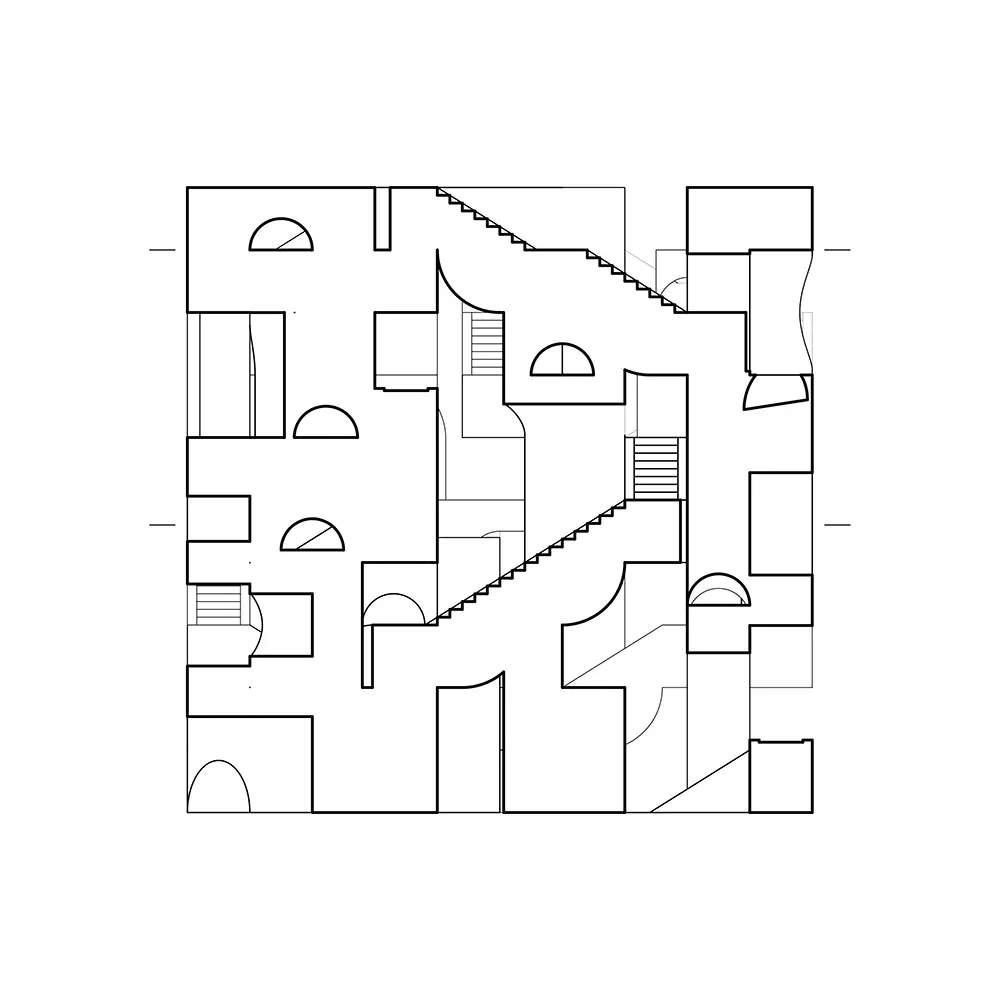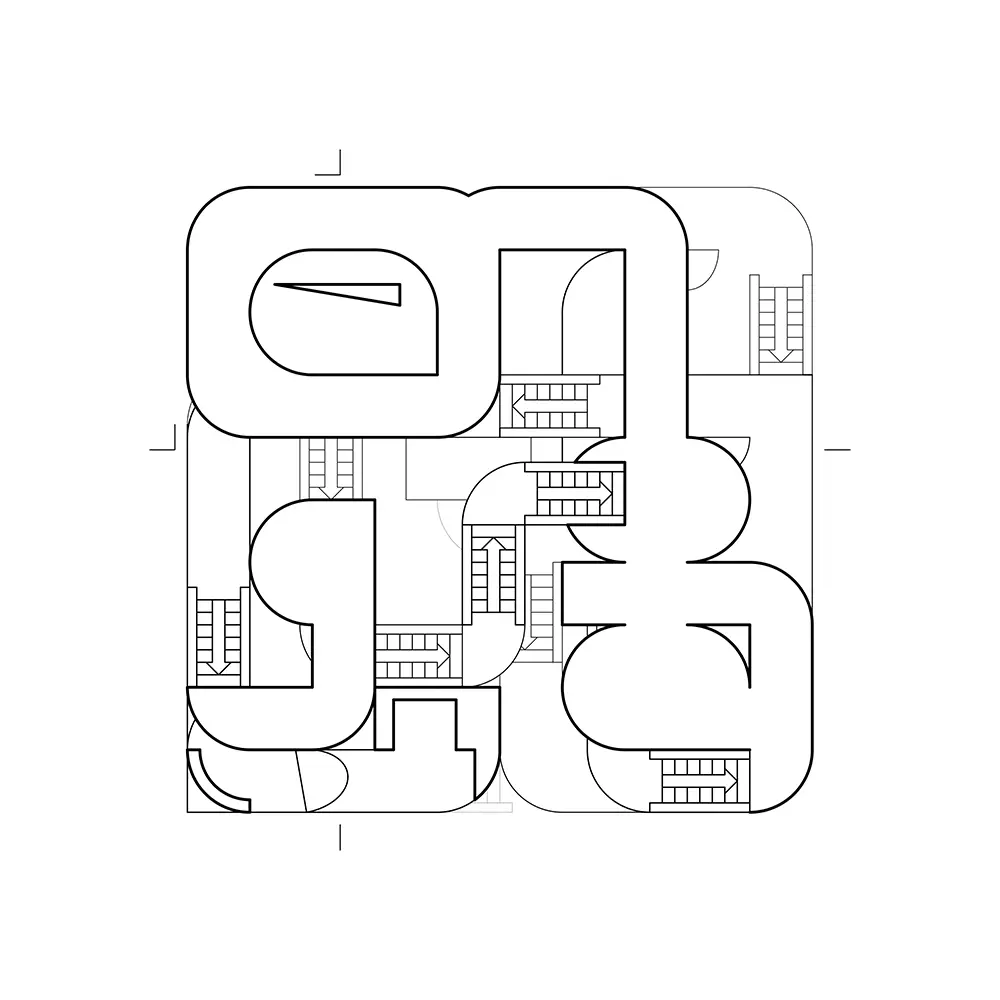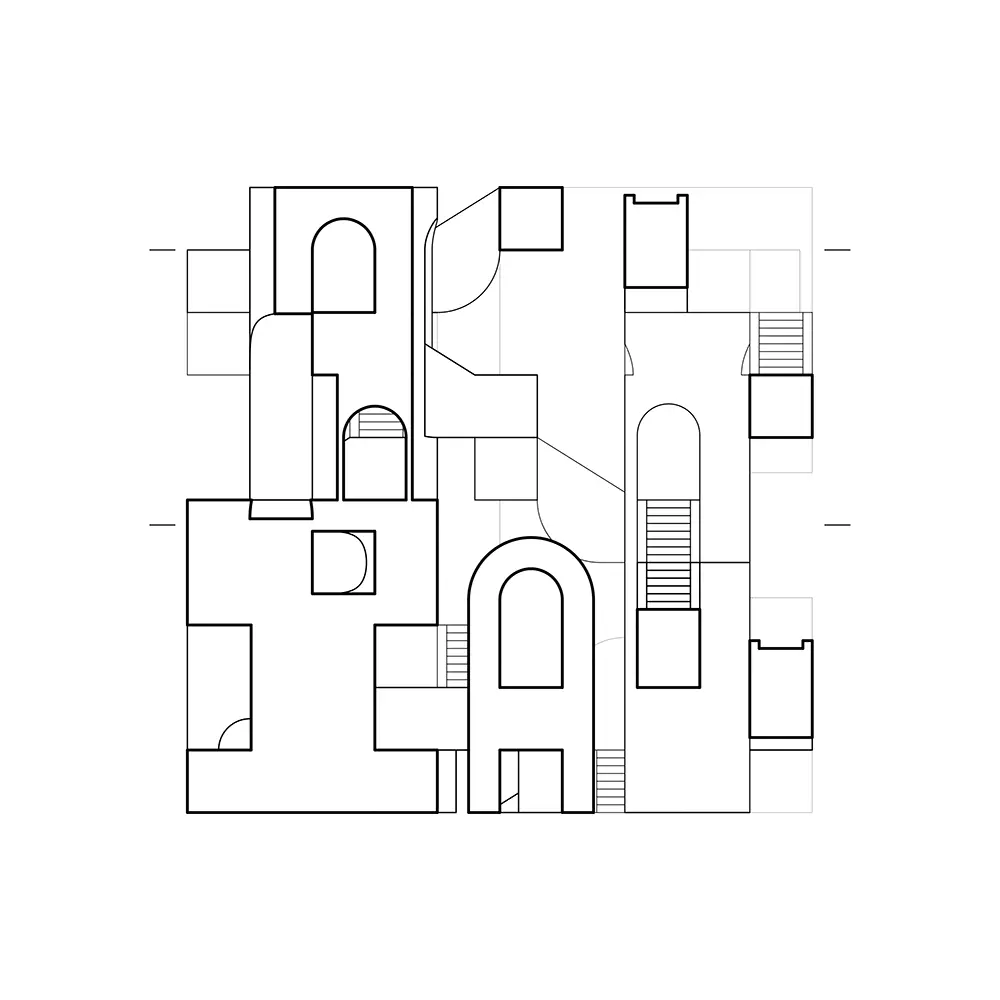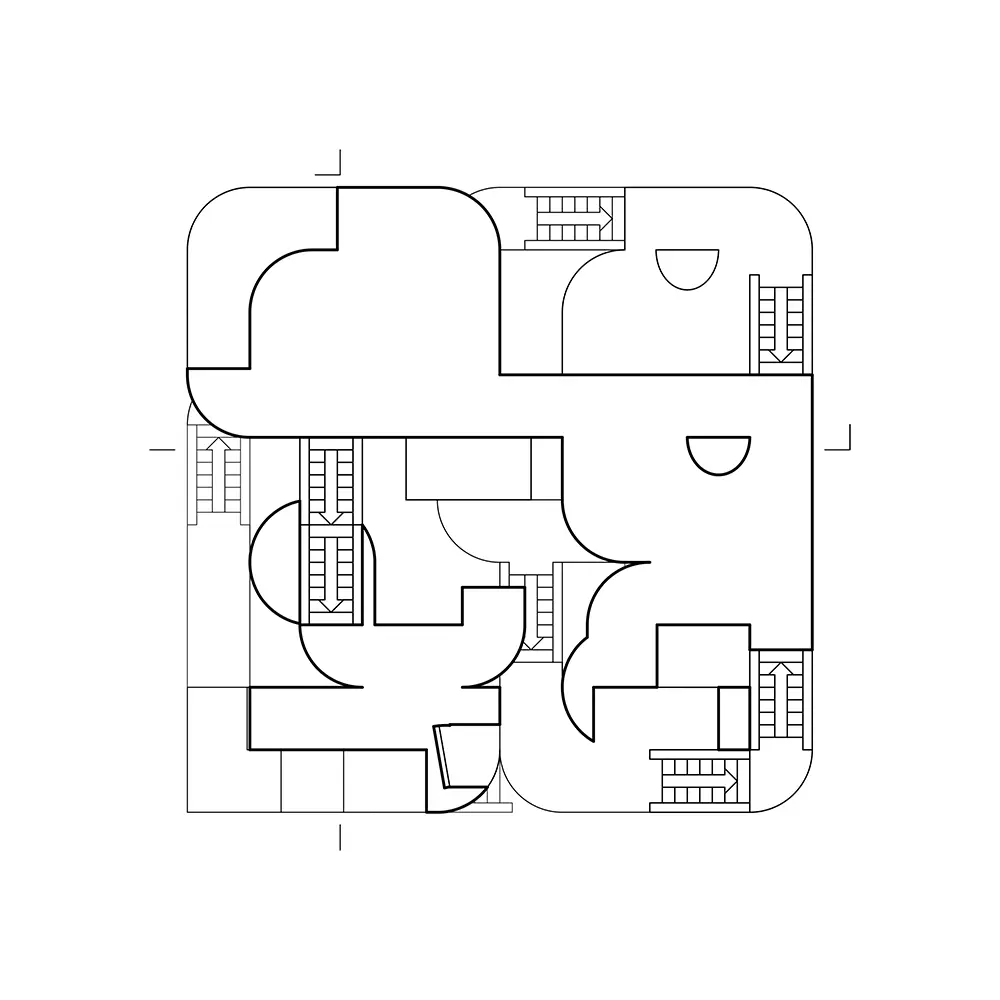

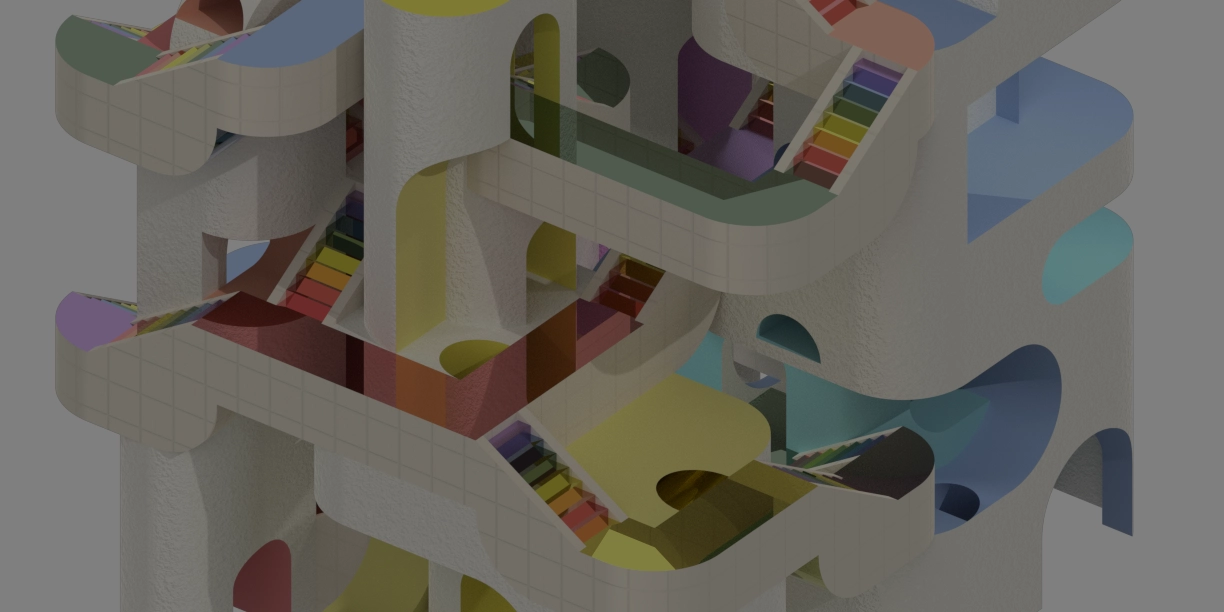
My first studio project was a conceptual maze structured around a grid. Designed for a game of hide and seek, every design choice was made to enhance engagement and interaction, turning spatial exploration into an active experience. The layout, circulation, and spatial boundaries encouraged movement, discovery, and playful navigation, making the architecture an integral part of the game itself.
‹ Swipe left for more
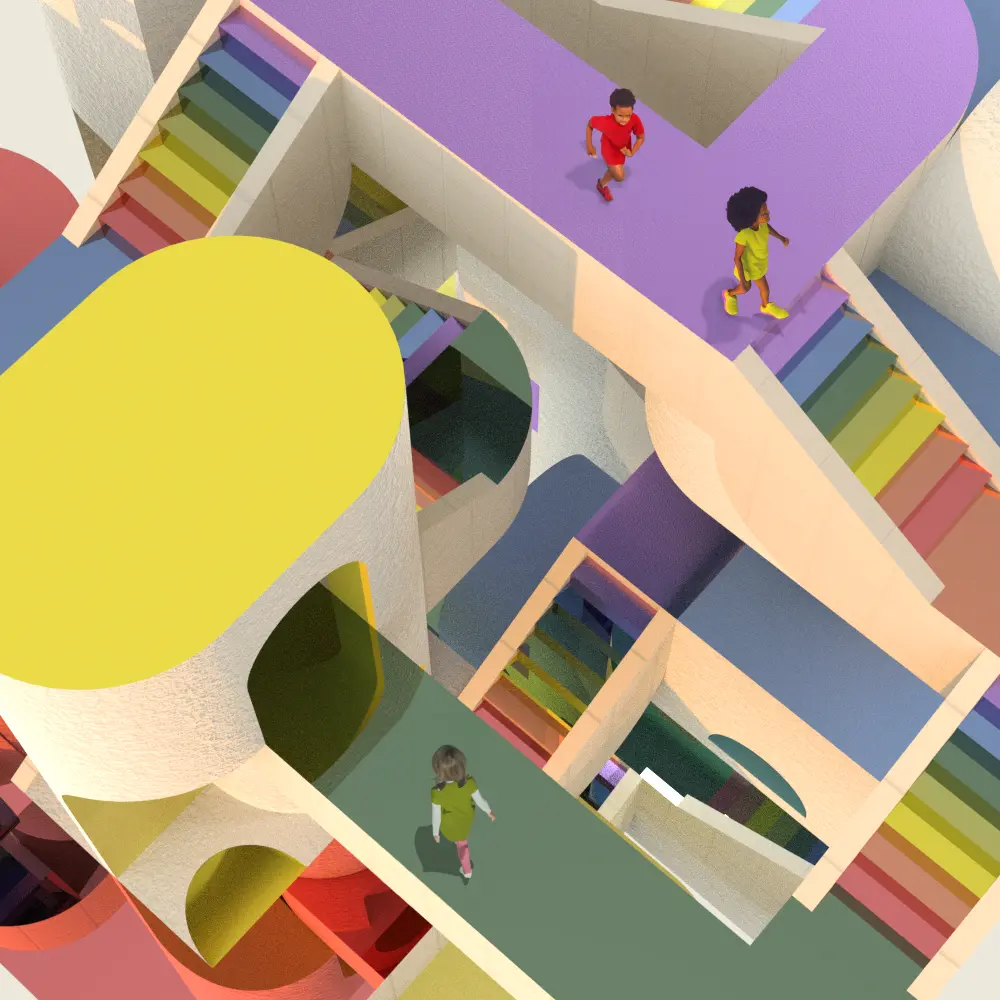
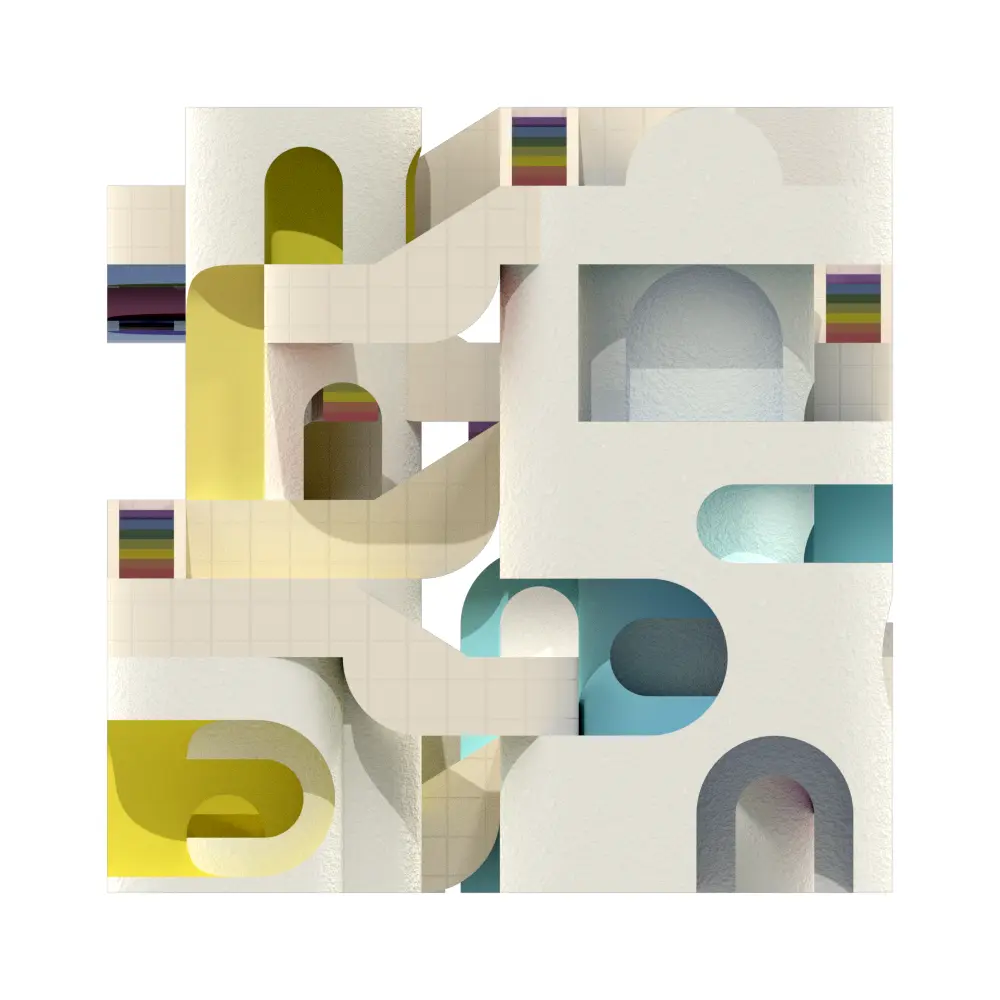
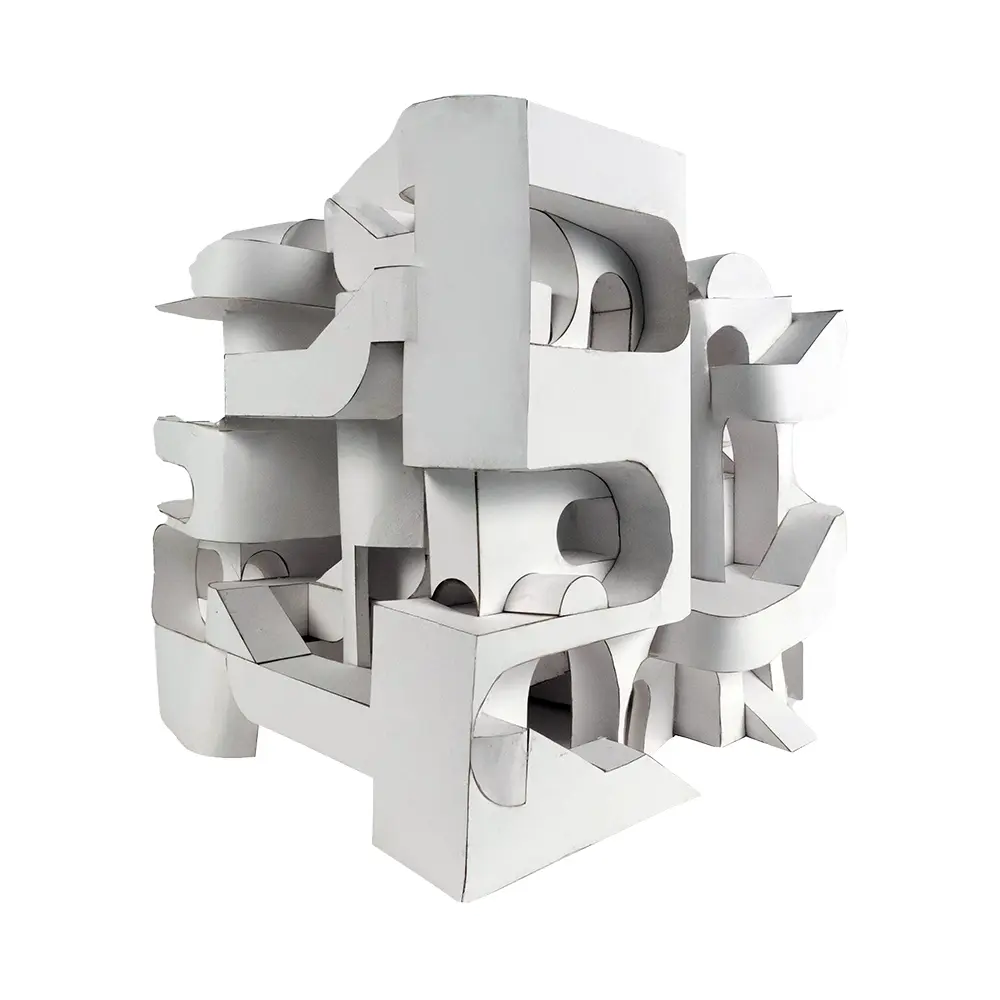
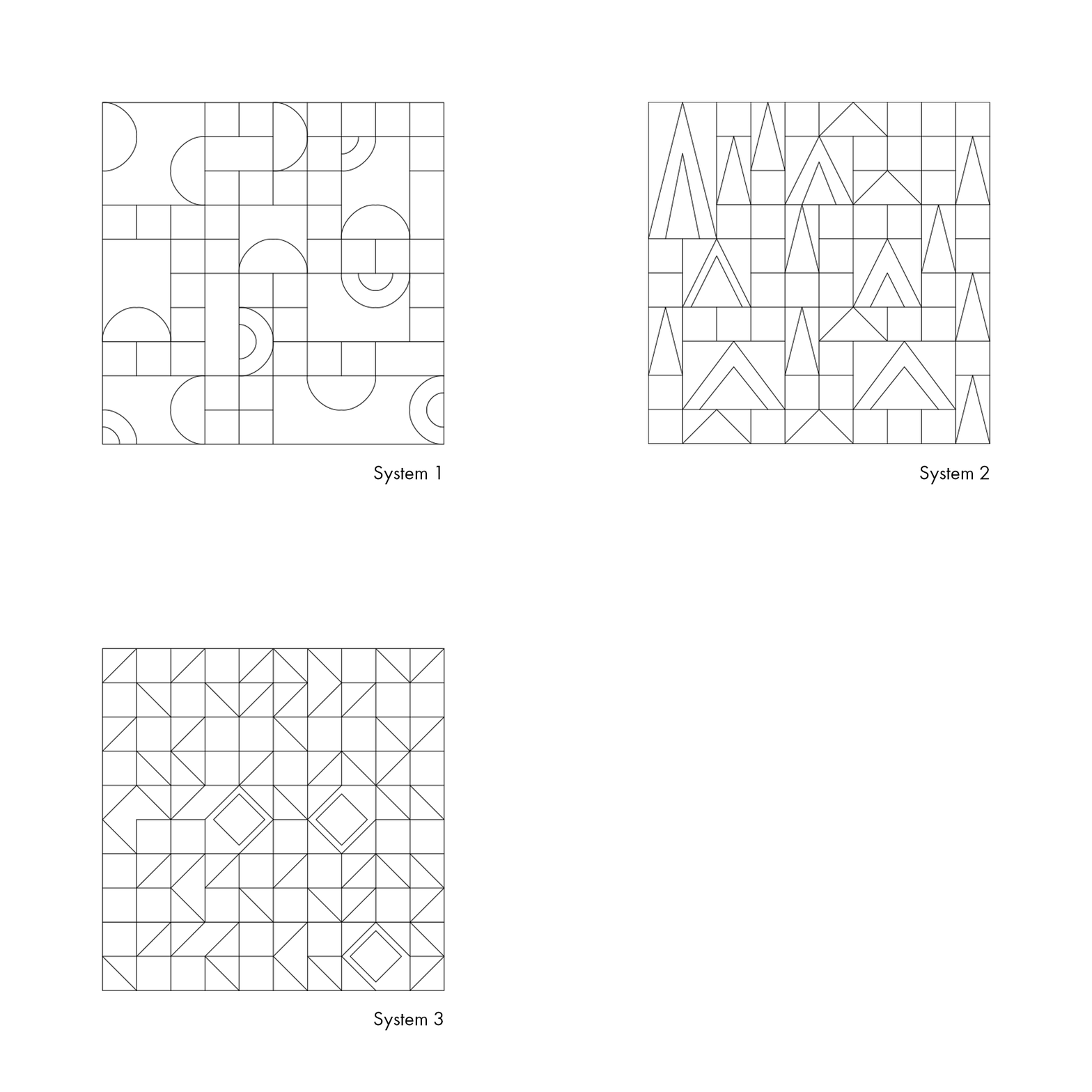
I designed iterations of gridded ordering system for the play space. These systems needed to be geometric and flexible enough to form a kind of scaffolding for a 3D volume to take shape. I thought about the ordering system used for board games, the types of grids that support movement. Moving forward with system 1, I created a circulation path keeping in mind the different ways players can move through the game. Visitors can move internally, but also externally.
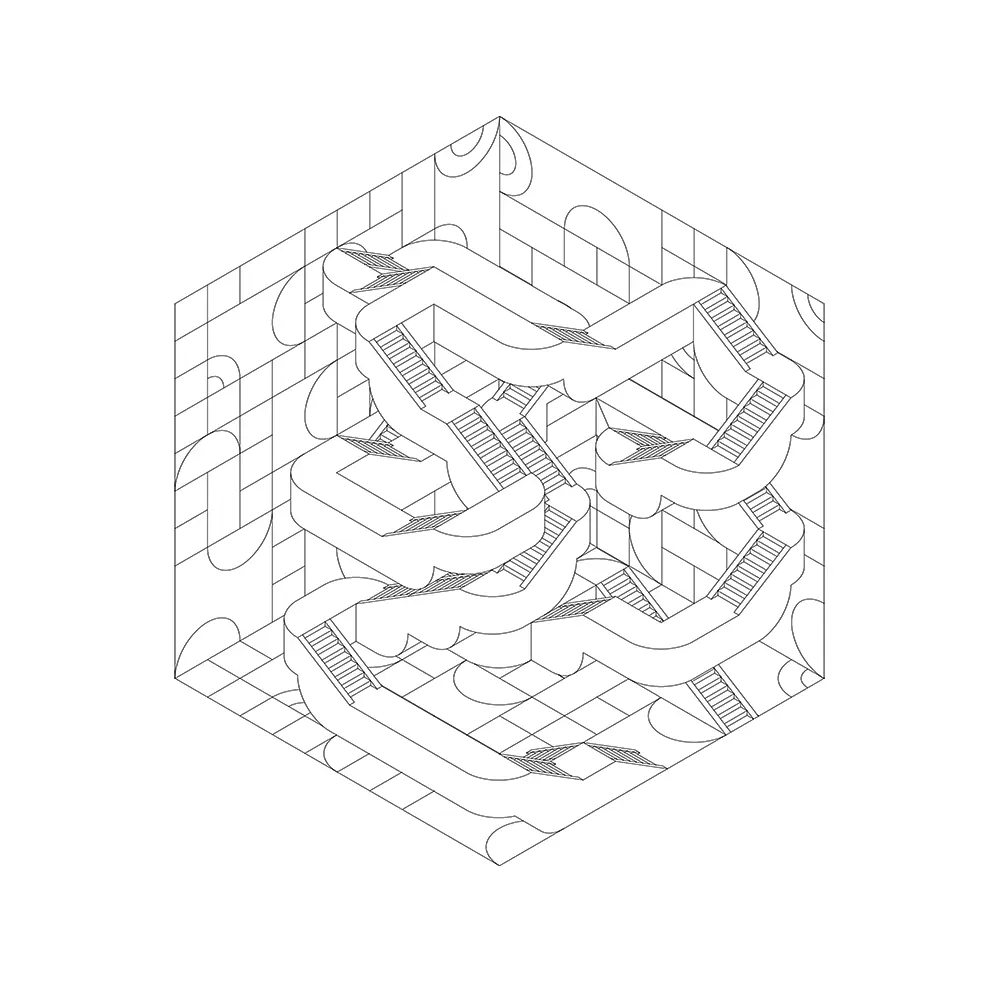
Sections illustrate how the ordering system is applied in relation to both the circulation path and the hiding spots. The plans reveal the passing and overlapping of paths, enriching the game and creating opportunities for visitors to engage with one another.